The text first
Every course begins in the passage, not the commentary. Students learn to read a book of the Bible on its own terms — structure, audience, argument — before reaching for anyone else's conclusions.
Founded by Dr Esther Susan Noreen
A one-year theological programme for men and women called to lead — grounded in scripture, disciplined by doctrine, and answerable to the communities they serve.
Our purpose
Influence without foundation collapses under its own weight. The Academy exists for the opposite order: to give leaders a working command of scripture, a coherent theology, and the practical skill to teach what they know — before the platform, not after it.
Our students are pastors and ministers-in-training, teachers, youth workers, worship leaders, chaplains and lay believers who have carried responsibility for years without ever being given the tools to carry it well. One evening a week, for one year, we hand those tools over.
The tradition we teach inside
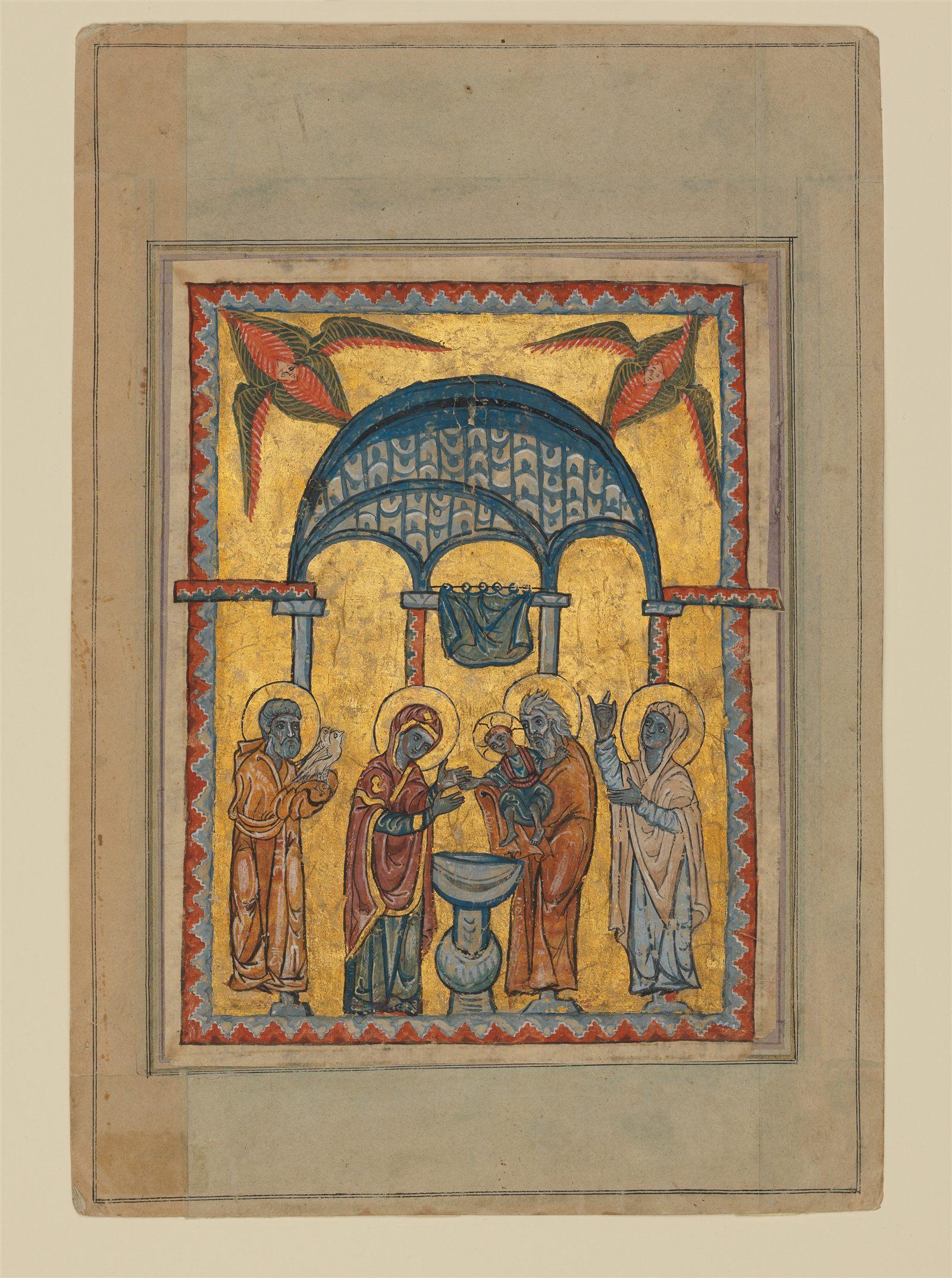
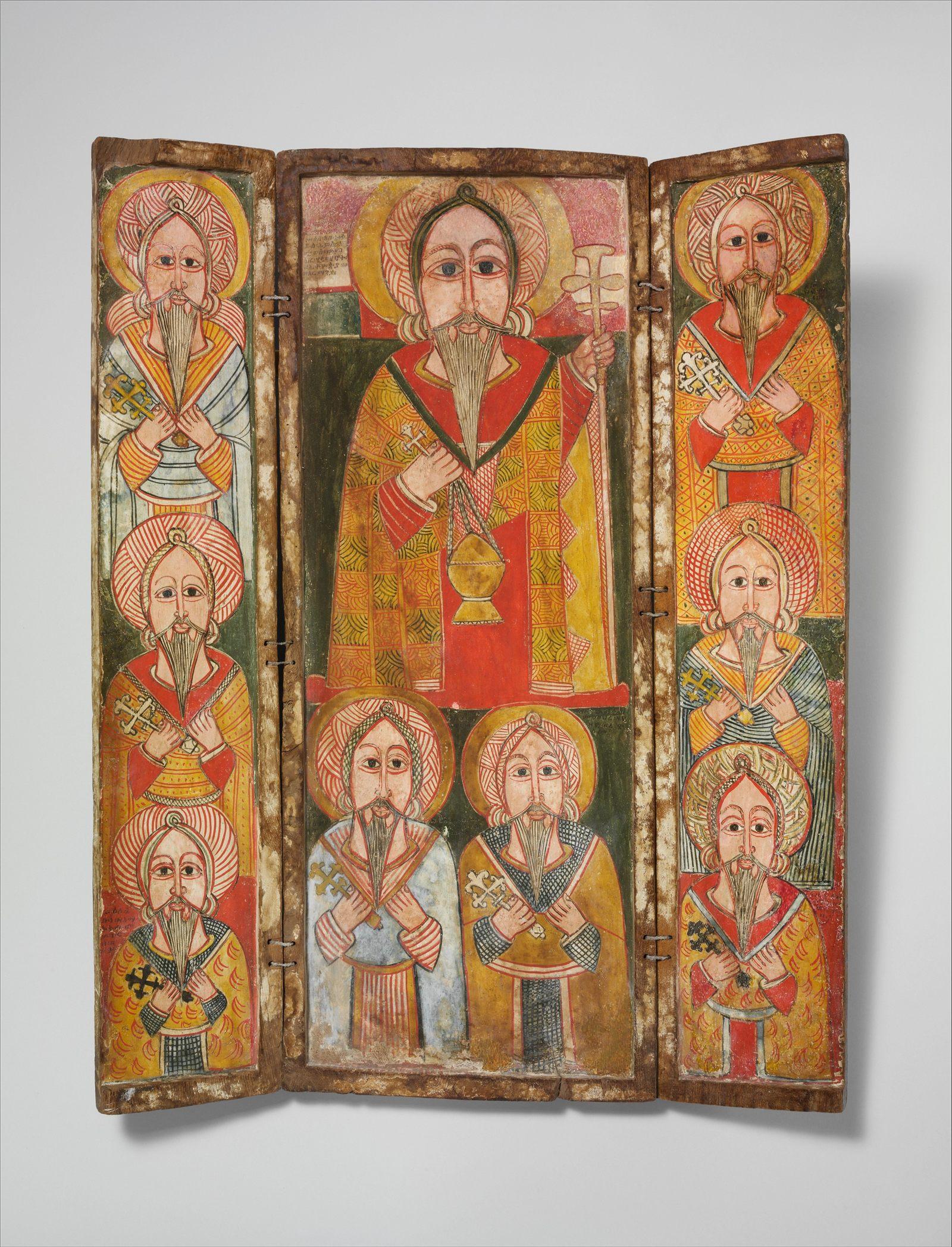
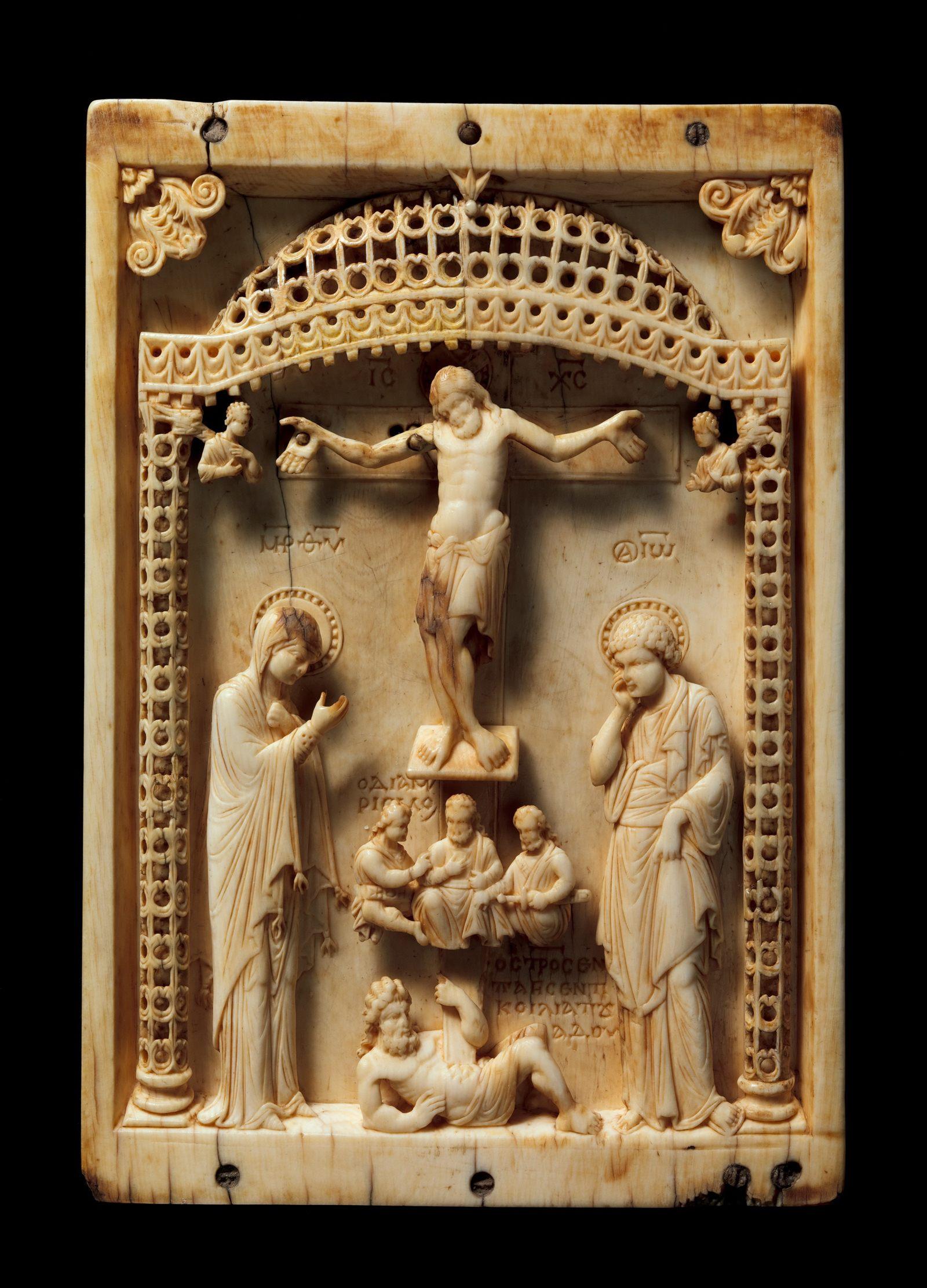
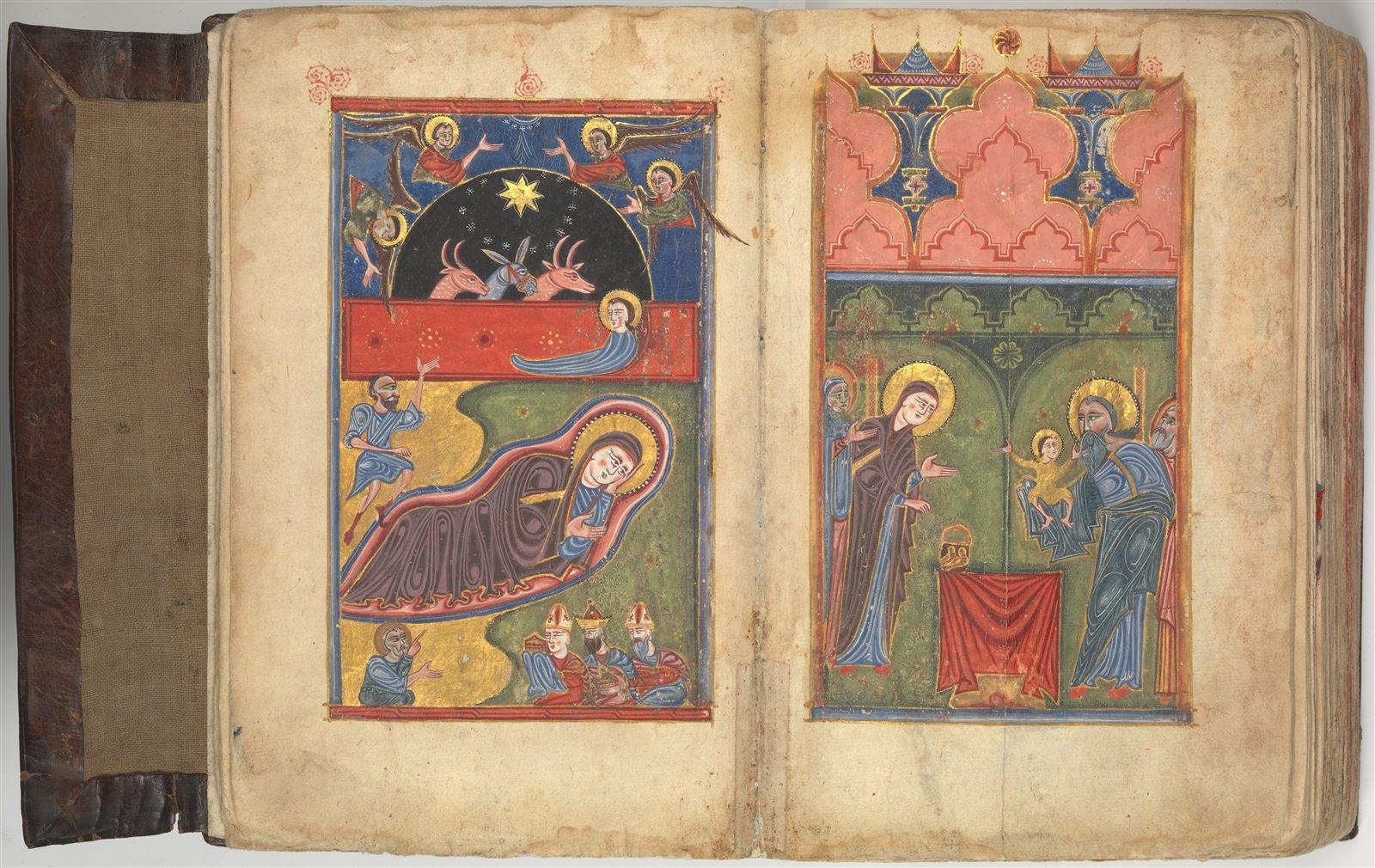
The faith did not travel outward from Europe. It was being written, painted and sung in Ge’ez, Greek, Armenian and Coptic while most of Europe was still being evangelised. A student who understands that reads the New Testament differently.

What formation looks like here
These are not marketing lines. They are the standards we ask our own faculty to be measured against, and the ones we invite students to hold us to.
Every course begins in the passage, not the commentary. Students learn to read a book of the Bible on its own terms — structure, audience, argument — before reaching for anyone else's conclusions.
Systematic theology and Christian ethics are taught as load-bearing structure, not as optional extras. A leader who cannot articulate what they believe cannot defend those they lead.
Two full courses in Teachers Training sit at the centre of the year. Knowledge that cannot be transmitted stops with you — and a college that produces only listeners has failed.
Our curriculum treats the African presence in scripture as primary material, not a footnote. Students of every background finish the year with a fuller reading of the biblical world.
Signature module
Cush and Egypt. The Queen of Sheba. Simon of Cyrene. The Ethiopian treasurer on the Gaza road, reading Isaiah aloud. Africa is not a marginal note in the biblical narrative — it runs through it from Genesis to Acts.
This six-credit course reads those texts carefully and in context: what the writers actually say, what the geography and history support, and where popular claims — from any direction — outrun the evidence. It is the module our students most often say reframed the whole year.
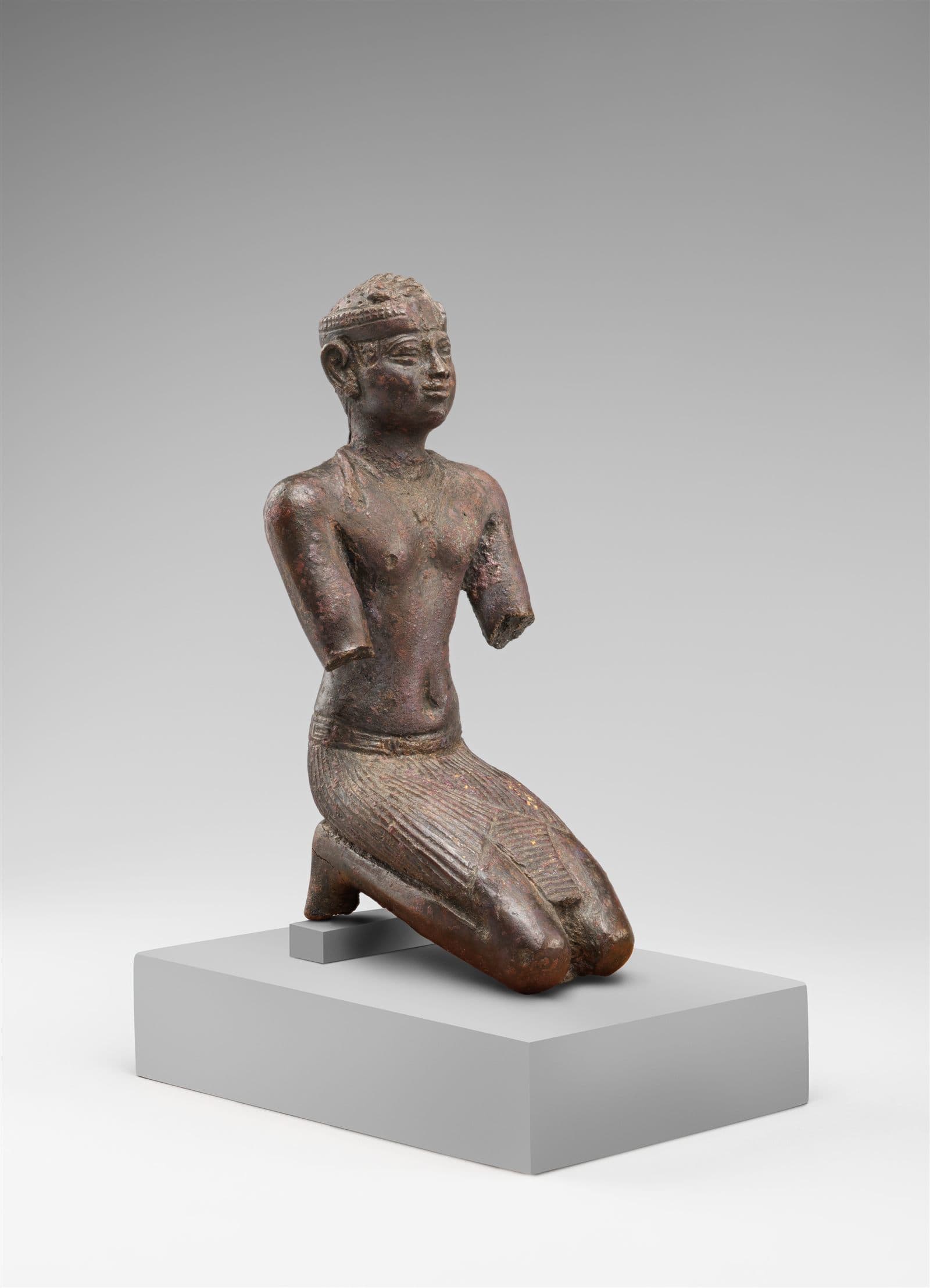
Ethiopia shall soon stretch out her hands unto God.
Psalm 68:31
The curriculum
A full academic year of live teaching every Thursday on Google Meet, from 8 October 2026 to September 2027, with chapel services through the year.
The theological and spiritual foundations on which all later ministry and study are built: salvation, repentance, effective prayer, the ministry of Christ, the power of His blood, the Resurrection, baptism, the work of the Holy Spirit, and the marks of the authentic believer.
Moral reasoning grounded in the teaching of Christ. Students learn to separate the primary questions of ethics — source, human nature, purpose — from specific moral dilemmas, and to apply biblical values to contemporary life through the lens of Micah 6:8.
Training in effective Gospel witness: the history of evangelism from Acts through the modern revivals, the character of the evangelist, the work of the Holy Spirit in evangelistic ministry, and practical preparation in public speaking and homiletics.
A survey of the ten fundamental doctrines of the Church — Theology, Christology, Pneumatology, Soteriology, Hamartiology, Bibliology, Anthropology, Ecclesiology, Angelology and Eschatology — assembled into a coherent framework a student can reason from.
The whole Book: its components, its eight dispensations, its eight covenants, and the Tabernacle in the wilderness — history, poetry and prophecy traced end to end. Prerequisite: Bible Fundamentals or equivalent.
The shape of the year
The Academy is built for people already carrying full responsibilities — a job, a congregation, a family. Teaching is live, so you are taught rather than left with a video library, but it is one fixed evening and it is the same evening every week.
Next intake
The third cohort is under way. New applications join the waiting list for the next, which begins in October 2027. The year runs 8 October 2026 – September 2027. Applications are open now.
Before teaching begins
A session at the start of the year covering how it runs, what is expected, and how to get help.
Weeks 1–45
Two hours of live teaching every Thursday evening, 7–9pm UK time, with time set aside for questions.
Three times in the year
Two-hour gathered services for the whole student body — worship, not assessment.
Mid-year and year-end
A mid-term and a final examination, each with revision support in the weeks before.
Close of the year
A formal ceremony marking completion, with robes and ceremony covered by the graduation robes fee.
A deep commitment to the study and teaching of the word of God — and a dedication to empowering and refining individuals through rigorous biblical education.
Graduates on film
Fees
Three figures make up the cost of the year. There is no fourth. Tuition may be paid in full, or £80 to start and then £70 a month, at no additional charge.
The next intake
October 2027
The third cohort is under way. Apply now to join the waiting list — your place in the queue is kept from the day you apply.
Total for the year — £980
Secure a placeCommon questions
No. The programme is designed to take a motivated student with no formal theological background to a working command of scripture and doctrine within the year. What it does require is time: two hours of live teaching each week, plus reading and preparation between sessions.
The Associate of Theology or Religious Education degree, conferred at the graduation ceremony on completion of all ten modules and the assessments that go with them.
The Academy is accredited by Christ Theological Seminary and Next Dimension School of Theological Institute, who provide its academic oversight. We publish their offices and officers in full on our Academic Standards page so that you can check them rather than take our word for it.
Teaching is delivered live online, on Google Meet, which is what allows students outside the UK to study with us. Cameras stay on during class — the Academy’s camera-on policy explains why. Chapel services and the graduation ceremony are gathered events.
Yes. Tuition of £850 may be paid on the payment plan — £80 on 1 September 2026, then 11 monthly instalments of £70 — at no extra cost. The £50 registration fee is non-refundable and payable on enrolment, and the £80 graduation robes fee is separate from tuition. The full schedule is on the Fees page.
Because you enrol at a distance, you have a statutory right to cancel within fourteen days of entering the agreement under the Consumer Contracts Regulations 2013. Our full cancellation and refund terms — including how that period interacts with teaching that has already begun — are set out in the refund policy.
Yes — the cohort is international. Teaching runs 7–9pm UK time on Thursdays, so please check that against your own timezone before applying. Fees are charged in pounds sterling.
Applications open
Places for the coming cohort are limited by the size of a room in which every student can still be heard.