Skip to content

Home/Signature Module

Signature module · 6 credits

The African Presence in the Bible

Africa is not a footnote to the biblical narrative. It is present at the headwaters of Genesis, in the courts of Israel’s kings, in the prophets, at the cross, and in the first recorded conversion outside Jerusalem. This module reads those texts properly.

Most students arrive having encountered these passages only in fragments — a sermon illustration here, a claim on the internet there. The purpose of this module is not to supply a counter-narrative to replace an omission. It is to put the primary texts in front of you, with the geography and history that make them legible, and to teach you to weigh evidence for yourself.

That cuts both ways. There is a great deal in scripture that has been quietly passed over, and we recover it. There are also popular claims — made with the best of motives — that the texts will not carry, and we say so. A student who leaves this module able to distinguish the two has gained something more durable than a set of conclusions.

Ethiopia shall soon stretch out her hands unto God.

Psalm 68:31

The evidence, in objects

The world these texts came out of still exists

Scripture does not describe an imagined geography. The kingdoms it names left statuary, gold, pottery and manuscripts behind them, and those objects sit in public collections today. We teach from them.

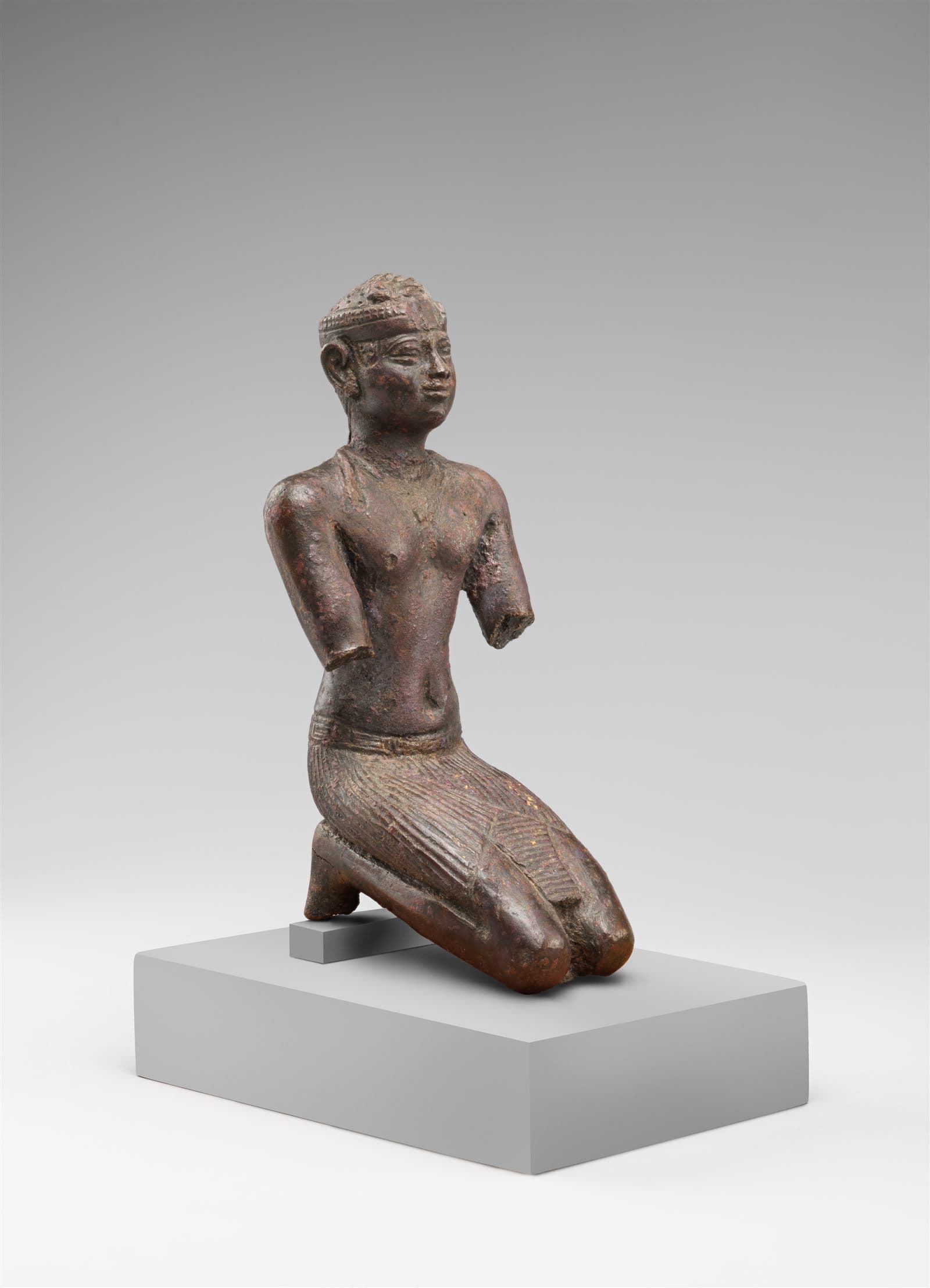
Ancient stone statue of a kneeling Kushite king, arms extended, wearing the close-fitting cap-crown of the Twenty-Fifth Dynasty.
Statue of a kneeling Kushite king · ca. 733–664 BCEThe Met, Open Access (CC0)

A king of the Twenty-Fifth Dynasty — the Kushite line that ruled both Nubia and Egypt, and the dynasty Tirhakah belonged to.

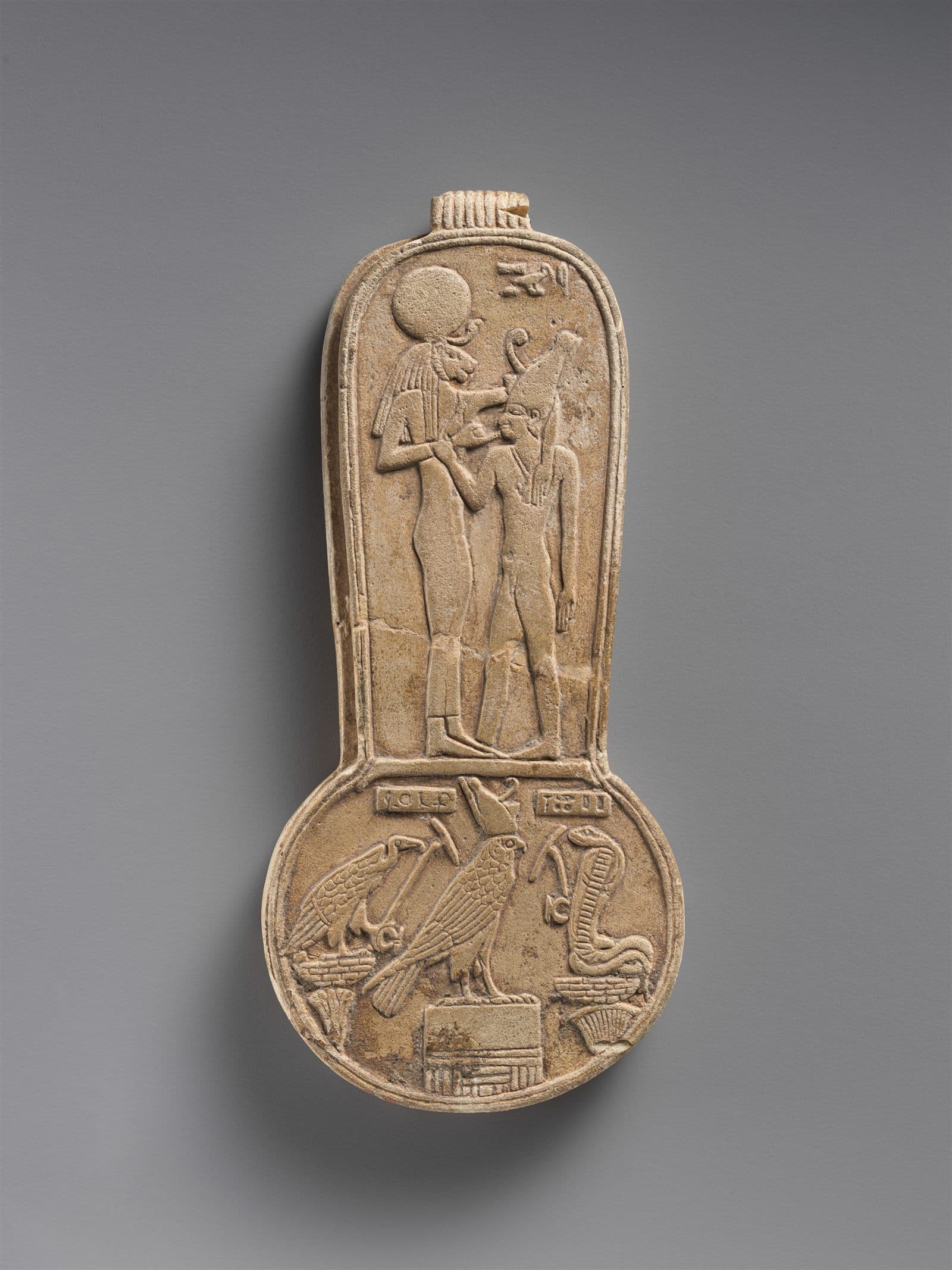
Bronze counterweight from a menit necklace showing the goddess Bastet nursing King Taharqo.
Bastet nursing King Taharqo · ca. 690–664 BCEThe Met, Open Access (CC0)

Taharqo himself. The same king appears in 2 Kings 19:9 and Isaiah 37:9 as Tirhakah, marching against Sennacherib.

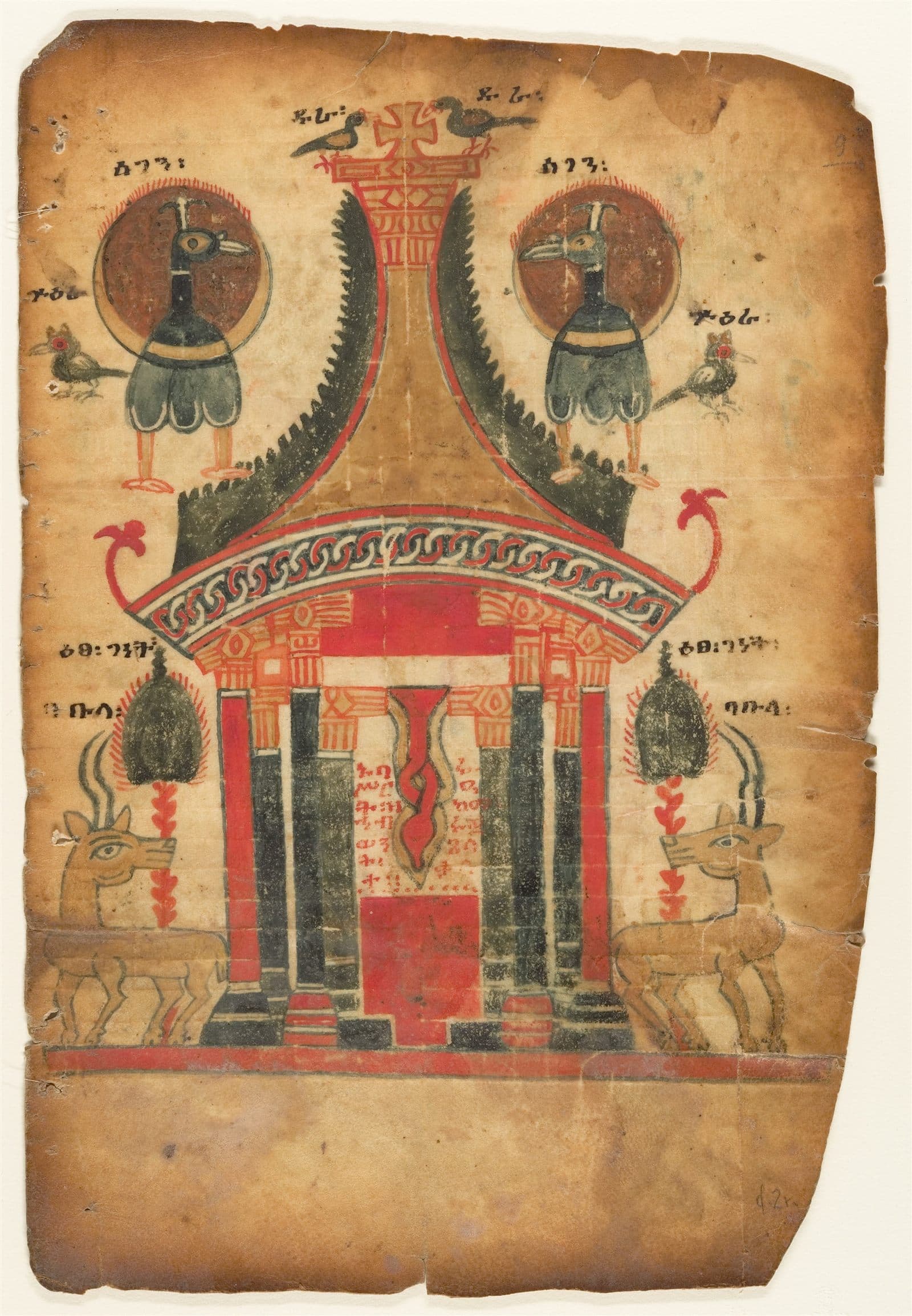
Illuminated double-sided leaf from an Ethiopian gospel manuscript, painted in red, gold and blue.
Double-Sided Gospel Leaf, Ethiopian · first half 14th centuryThe Met, Open Access (CC0)

An illuminated gospel leaf from Ethiopia — evidence of an African Christianity older than most of Europe’s.

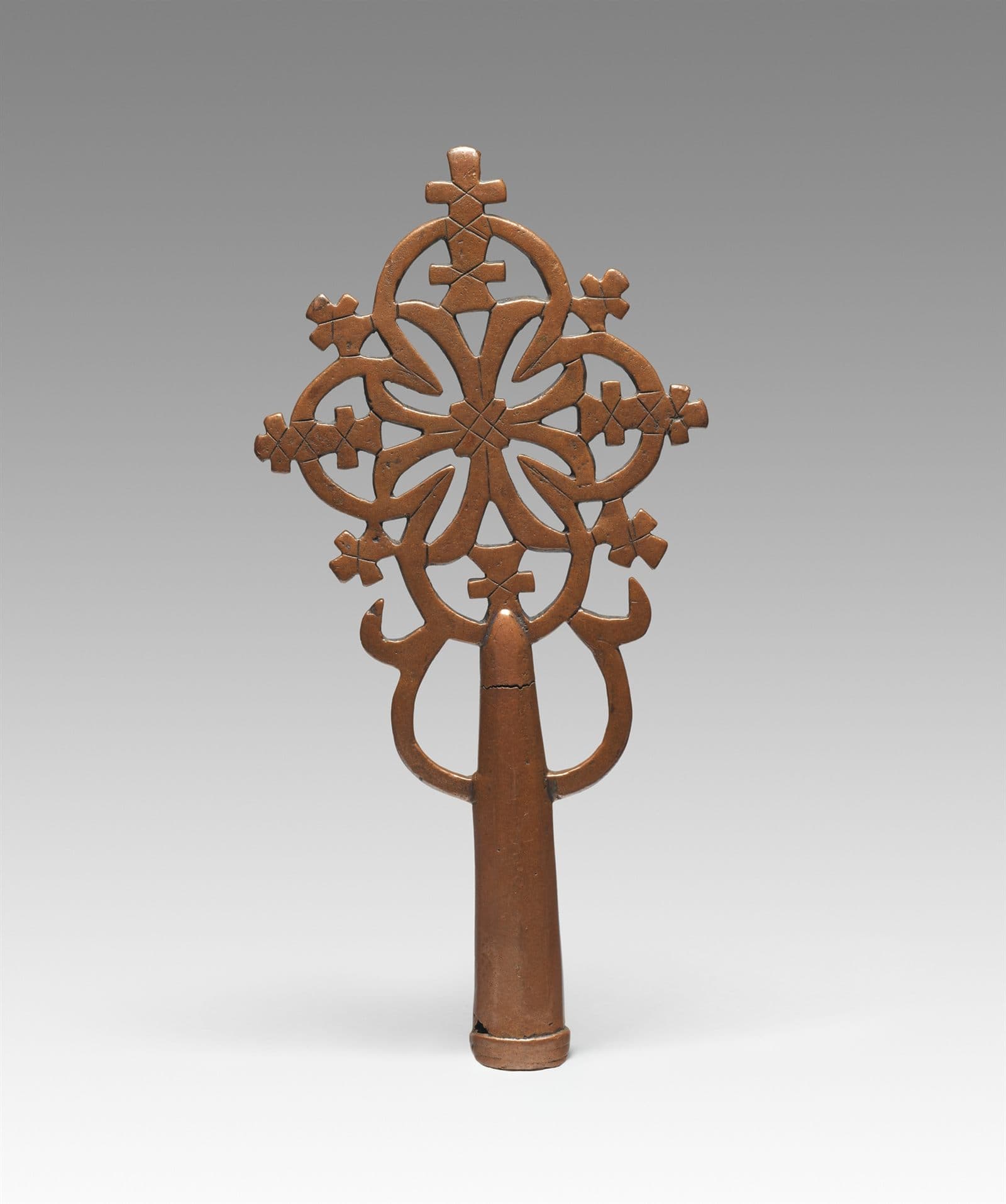
Ethiopian processional cross in cast metal, its arms formed from interlaced openwork tracery.
Processional Cross, Ethiopian · 13th–early 14th centuryThe Met, Open Access (CC0)

A processional cross carried in Ethiopian liturgy for seven centuries.

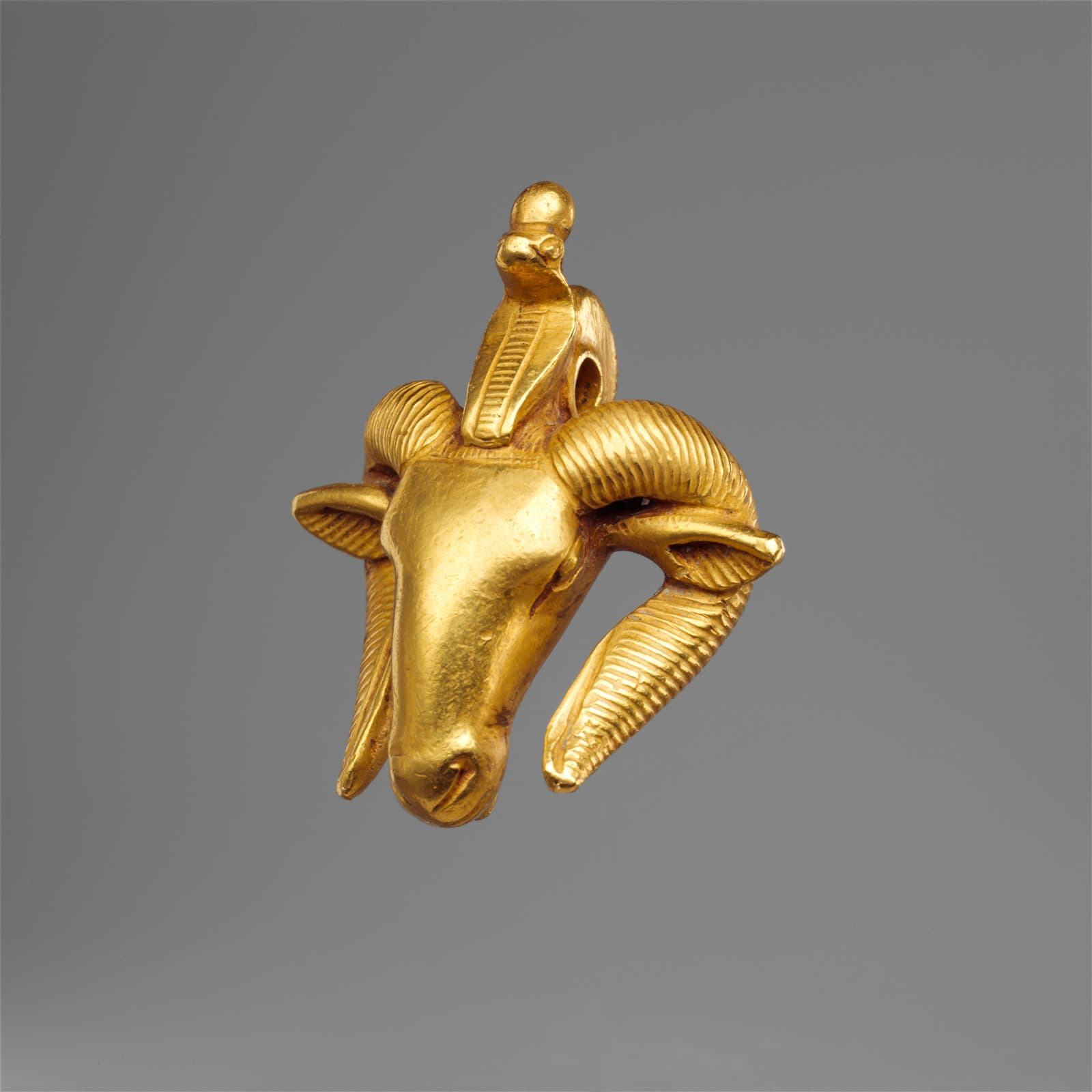
Gold ram's-head amulet with a sun disc between the horns, Kushite workmanship.
Ram's-head Amulet, Kushite · ca. 712–664 BCEThe Met, Open Access (CC0)

Kushite gold. The ram was the emblem of Amun, whose cult ran the length of the Nile.

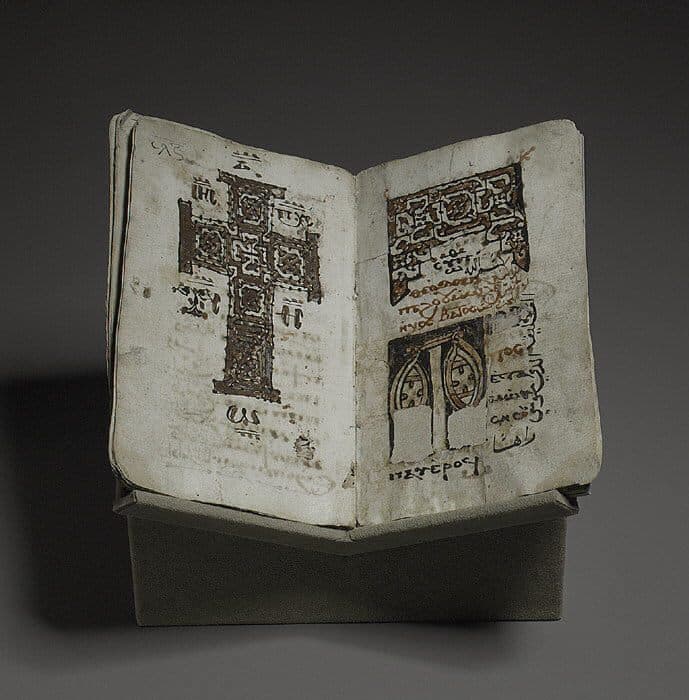
Open Coptic liturgical codex showing two columns of hand-written script.
Coptic Liturgical Codex · 17th–18th centuryThe Met, Open Access (CC0)

A Coptic liturgical codex — the Egyptian church’s own books, in its own language.

All objects reproduced under CC0 from The Metropolitan Museum of Art Open Access programme. Each credit links to the Met’s catalogue entry, so any claim made about an object here can be checked against the museum’s own record.

The primary texts

Where Africa appears — and what is actually said

Twelve weeks of close reading. Each session takes one cluster of passages, sets it in its historical setting, and asks what the writer is doing with it.

Genesis 2 · Genesis 10

Cush at the source

The Gihon “compasses the whole land of Cush” before the narrative has left Eden, and Cush heads the table of nations in Genesis 10. We establish what the Hebrew word means, where it points on a map, and why English Bibles render it “Ethiopia”.
Genesis 37–50 · Exodus 1–15

Egypt: refuge and furnace

Egypt is where Israel is preserved and where Israel is enslaved — a nation held in scripture as both saviour and oppressor. The module resists flattening either half of that record.

Numbers 12

The Cushite wife

Miriam and Aaron speak against Moses “because of the Ethiopian woman whom he had married”. A short passage with long consequences, and one where the text's own verdict on the objectors is unusually direct.

1 Kings 10 · 2 Chronicles 9

The Queen of Sheba

One of the most contested locations in biblical geography — southern Arabia, the Horn of Africa, or a polity spanning both. We set out the competing cases and the evidence for each rather than asserting one.

2 Kings 19 · Isaiah 37

Tirhakah, king of Cush

A named African monarch intervening in Judah's history at its most desperate hour — and a figure attested well outside the biblical record, in the Twenty-Fifth Dynasty of Egypt. A case study in scripture and archaeology in conversation.

Jeremiah 38

Ebed-Melech the Cushite

A foreign court official is the only man in Jerusalem willing to pull the prophet out of the cistern, and he is told he will be spared for it. The passage rewards slow reading.

Amos 9 · Zephaniah 1

In the prophets

Amos sets Israel alongside “the children of the Ethiopians”; Zephaniah's own father is named Cushi. What these details tell us about how Israel understood its neighbours, and itself.

Mark 15 · Acts 13

Cyrene, at the cross and in the church

Simon of Cyrene carries the cross; a generation later Lucius of Cyrene and Simeon called Niger are named among the leaders at Antioch — the church that commissioned the first missionary journey. North Africa is present at both ends.

Acts 8

The Kandake's treasurer

The first conversion narrated outside Jerusalem is an African official reading Isaiah aloud in his chariot. We examine who the Kandake was, what “eunuch” signifies in that court, and why Luke gives the episode the weight he does.

Method

Reading claims critically

Two sessions on interpretation itself — including the so-called “curse of Ham”, where the text curses Canaan and not Ham at all, and the long history of that misreading being put to use. Students learn to check a claim against a text.

A point of precision

“Ethiopia” in an English Bible is not modern Ethiopia

Where the King James and many later versions print “Ethiopia”, the Hebrew reads Kush and the Greek Aithiopia — terms that in antiquity denoted Nubia, the kingdom along the Nile south of Egypt, in what is largely modern Sudan. The modern nation-state of Ethiopia is a different territory with its own, also ancient, Christian history.

This is not pedantry. Half the confusion around these passages — in both directions — comes from reading a modern map onto an ancient word. We fix the terminology in week one and the rest of the module becomes considerably clearer.

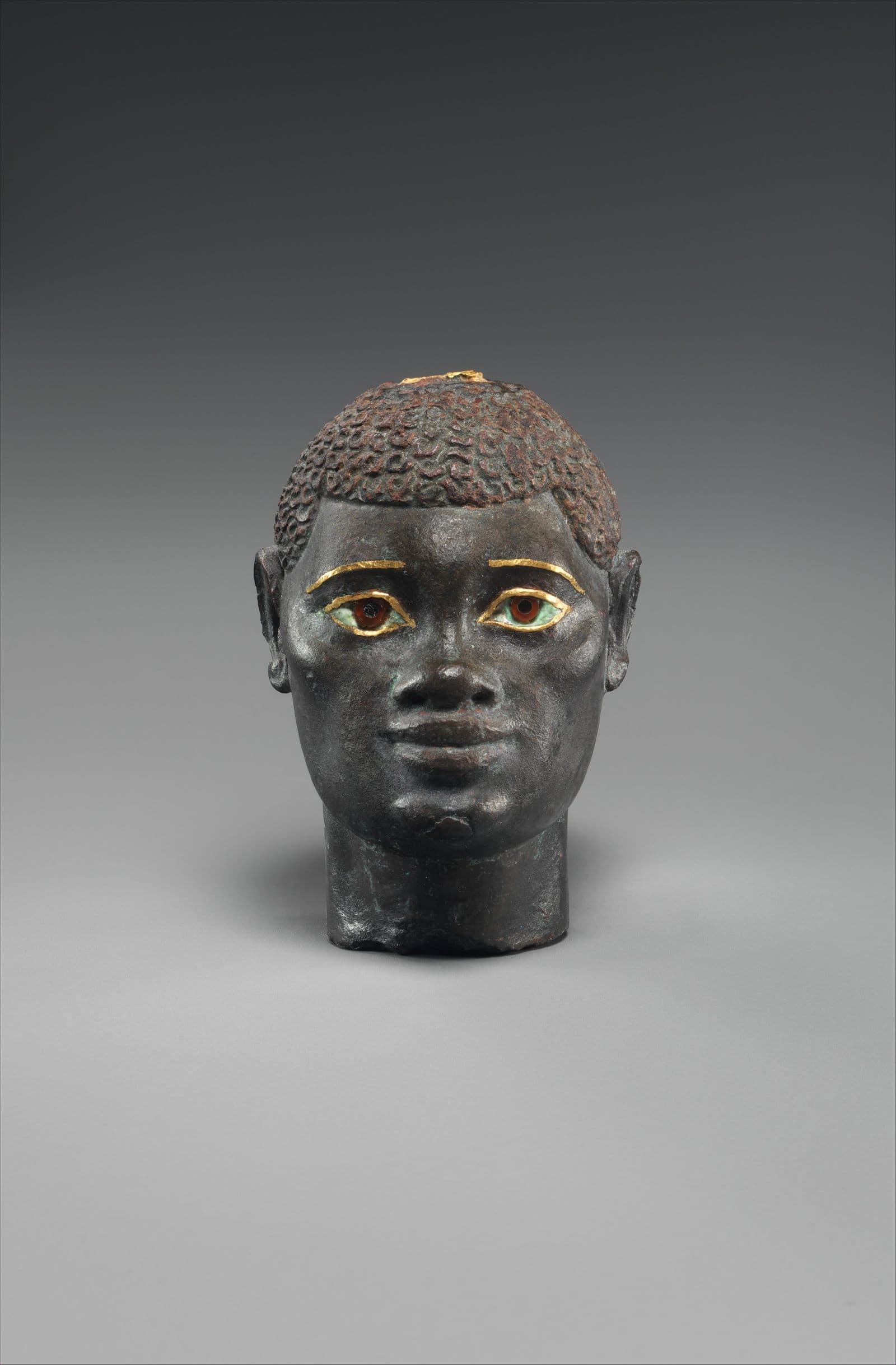
Carved head of an African man rendered in Hellenistic style, from Ptolemaic Egypt.
Head of an “Ethiopian” in Hellenistic mode · 332–30 BC — the Met’s own quotation marks: the Greek Aithiopia meant Nubia, not modern EthiopiaThe Met, Open Access (CC0)

Every student on the programme — it is part of the core year, not an option. It is written to be equally valuable to students of African heritage and to those of any other background, for the same reason: it is a more complete reading of the text.

No. Where the original language matters, it is explained in class and you are shown how to check it using freely available tools. You will not be asked to learn a language.

No. It is an exegetical one. The material has obvious contemporary resonance and we do not pretend otherwise, but the discipline of the module is reading the text well — and that discipline is applied to every claim, including the ones students arrive already believing.

A reading list is issued at orientation, alongside the Academy’s required Bibles: The Companion Bible and the NIV/KJV Side-by-Side Bible.

Study it properly, for a year

This module sits inside a full programme of ten modules. It is not sold separately — because it works because of what surrounds it.